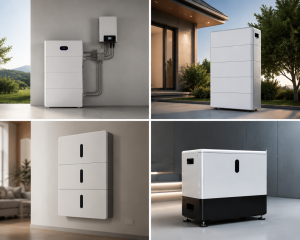
If you’ve been shopping around for a home battery this year, you’ve probably heard three different numbers for “the rebate” from three different installers. That’s not because anyone is lying to you — it’s because the rules changed on 1 May 2026, and a lot of quotes floating around are still based on the old numbers.
Here’s the current picture, in plain English.
The rebate isn’t ending — it’s changing shape
The federal Cheaper Home Batteries Program launched in July 2025, offering roughly a 30% discount on the upfront cost of an eligible battery system. It’s funded through Small-scale Technology Certificates (STCs) — the same mechanism that’s subsidised solar panels for over a decade — so you don’t fill in any paperwork. Your installer applies the discount directly to your quote.
From 1 May 2026, the government adjusted how that discount is calculated. The program itself continues, and funding was actually increased from $2.3 billion to $7.2 billion over four years. What changed is the size of the discount for bigger batteries.
How the new tiered structure works
Instead of one flat rate per kWh, the rebate now tapers based on how big your battery is:
- First 14 kWh of usable capacity — full rebate rate
- 14 kWh to 28 kWh — roughly 60% of the full rate
- 28 kWh to 50 kWh — roughly 15% of the full rate
- Above 50 kWh — not eligible for further STCs
In practical terms, a well-sized household battery in the 10–14 kWh range still gets the strongest possible discount per kWh. Once you go past 14 kWh, each additional kWh earns progressively less support. This is a deliberate move by the government — under the old rules, some households were installing oversized batteries partly to chase a bigger dollar rebate, which wasn’t always the smartest financial decision for them.
What hasn’t changed
A few things stayed the same, and they matter just as much as the new numbers:
- No means testing — every eligible household qualifies regardless of income
- Must be paired with solar — grid-only batteries (with no solar PV) are not eligible
- CEC-approved equipment only — both the battery and inverter need to be on the Clean Energy Council’s approved product list
- Installed by an accredited installer — the installation must be carried out by someone accredited through Solar Accreditation Australia
- VPP-capable — your system needs the technical capability to join a Virtual Power Plant, though you’re not required to actually join one
- One claim per property — only the first battery at a given address is eligible
What this actually means for your decision
If someone is quoting you a 30–50 kWh “mega battery” and pointing to a huge rebate figure, ask them to show you the maths under the current tiered structure — not the flat-rate numbers from last year. For most Smithfield households, a system sized to your actual daily usage and evening peak demand will land in that 10–14 kWh sweet spot, where the rebate does the most work per dollar.
State-based incentives can sometimes stack on top of the federal rebate too, depending on where you live, so it’s worth asking what’s available in your postcode specifically rather than relying on a generic national figure.
The honest answer to “how much rebate will I get” is always: it depends on your battery size, your postcode, and the STC price on the day your system is commissioned. Anyone who gives you an exact dollar figure before assessing your home is guessing. We’d rather run the numbers properly and show you the calculation than hand you a headline figure that doesn’t hold up.
Have a quote from another company you’d like us to sanity-check? Bring it in — we’re happy to walk through the numbers with you.