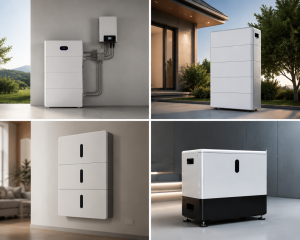

A battery isn’t the right next step for every solar household right away — and we’ll tell you that honestly, even though we sell batteries. But there are some clear signals worth checking against your own situation before you get a quote.
1. Your feed-in tariff has dropped and you’ve noticed it
If your solar has been on the roof a few years, you’ve likely watched your feed-in tariff shrink — what retailers pay you for exporting solar back to the grid keeps trending down as more households install solar. If you’re exporting a lot of cheap (or near-worthless) solar during the day and then buying it back at peak evening rates, that gap is exactly what a battery is designed to close.
2. Your quarterly bill is still high despite having solar
Solar without a battery only helps during daylight hours. If your household is mostly home in the evening — cooking dinner, running the aircon, charging devices — you may be using very little of your own solar directly and still paying peak grid rates for the rest. A quick look at your quarterly bill compared to your solar system size usually tells the story.
3. You’ve experienced blackouts, or you’re in an area prone to them
Standard grid-tied solar shuts off during a blackout by law — it can’t back-feed into a dead grid. A battery system with backup capability changes that, keeping key circuits running when the grid goes down. If you’re in a bushfire-prone area, a storm-affected suburb, or you simply hate resetting every clock in the house after an outage, this is often the deciding factor rather than the bill savings alone.
4. You’re planning to add an EV, ducted air con, or other big new load
Adding an EV charger, upgrading to ducted air conditioning, or adding a pool pump all significantly change your household’s electricity draw. If any of these are on your radar in the next year or two, it’s worth sizing your battery (and checking your phase capacity — see our other article on single vs three phase) with that future load in mind, rather than installing now and needing to reassess again later.
5. Your existing solar system is undersized for a battery, or you don’t have solar yet
This one surprises people: you don’t need existing solar to start the conversation. If you don’t have solar yet, or your current system is quite small, a solar and battery package installed together is often more cost-effective than adding a battery to an undersized system later — largely because of how the installation labour and inverter costs are shared across both jobs.
What to do next
None of these signs on their own guarantee a battery is the right move financially — that depends on your actual usage pattern, your phase type, your roof orientation if you’re adding solar, and your appetite for backup power versus pure bill savings. That’s exactly what a proper site assessment is for.
If two or more of the above sound like your household, it’s worth getting an honest, no-pressure assessment rather than a generic online calculator estimate. Upload a recent bill and a photo of your meter box through our enquiry form, and we’ll tell you plainly whether a battery makes sense for your home right now — or whether it’s worth waiting.